



































Feature Phone Quality Testing: A Practical Sourcing and Acceptance Guide
A detailed guide to quality testing for feature phones, covering key components, acceptance criteria, a hypothetical sourcing scenario, and an actionable checklist for buyers.
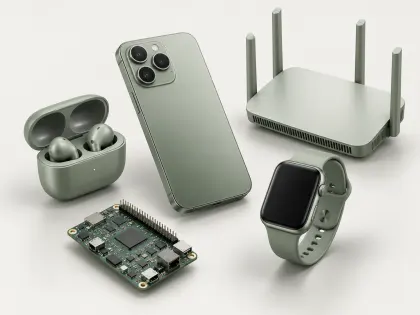
Feature phones remain relevant in many markets for their durability, long battery life, and simplicity. However, ensuring consistent quality requires a structured testing approach. This article outlines practical considerations for buyers sourcing feature phones, focusing on acceptance conditions and component-level checks.
Key Components and Testing Focus
A feature phone typically includes an LCD display, keypad, battery, charging interface, speaker, microphone, and sometimes a camera or flashlight. Each component warrants specific attention.
Display: Check for dead pixels, backlight uniformity, and touch response if applicable. For non-touch models, verify viewing angles and brightness consistency.
Keypad: Test tactile feedback, key travel, and print durability. Ensure all keys register correctly, including long-press functions.
Battery: Verify capacity claims through discharge testing. Inspect for swelling, leakage, or inconsistent performance across samples. Battery safety is critical; testing should follow applicable standards, with specialist review for compliance.
Charging Interface: Inspect for mechanical durability and electrical continuity. Test charging with various adapters to ensure compatibility and safe operation.
Audio: Evaluate speaker volume and clarity, microphone sensitivity, and echo cancellation. Test in both quiet and noisy environments.
Software and Firmware: Check basic functions, menu navigation, language support, and stability under repeated use. Verify that pre-installed apps are appropriate and removable if necessary.
Acceptance Criteria
Define clear acceptance criteria before production. These may include:
- Visual inspection: No scratches, gaps, or misaligned parts.
- Functional tests: All keys, ports, and features work as specified.
- Performance tests: Battery life, charging time, and audio quality meet agreed thresholds.
- Reliability tests: Drop, vibration, and temperature cycling to simulate transport and use.
- Safety tests: Battery and charger safety, with reference to relevant standards and specialist review.
Hypothetical Scenario
Suppose a buyer plans to order 10,000 feature phones for a market requiring long battery life and robust build. The buyer specifies a 2,000 mAh battery, a 2.4-inch display, and a durable keypad. During pre-production sampling, the buyer conducts the following:
- Randomly select 20 units from the pilot run.
- Perform full functional tests on each unit.
- Conduct battery discharge tests on 5 units to verify capacity.
- Subject 3 units to a 1-meter drop test onto concrete.
- Test charging with 5 different adapters.
The results show that 2 units have minor display backlight bleeding, and 1 unit fails the drop test due to a cracked screen. The buyer requests corrective actions: improved display assembly and reinforced screen bonding. After adjustments, a new sample batch passes all tests. This hypothetical illustrates how targeted testing can identify and resolve issues before mass production.
Actionable Checklist
1. Define requirements: Clearly state expected performance, materials, and compliance needs.
2. Select samples: Request pre-production samples for evaluation.
3. Component checks: Inspect display, keypad, battery, charging port, and audio.
4. Functional tests: Verify all features, including software stability.
5. Performance tests: Measure battery life, charging time, and audio quality.
6. Reliability tests: Conduct drop, vibration, and temperature tests.
7. Safety review: Ensure battery and charger safety, consulting specialists for standards.
8. Documentation: Request test reports and certificates where applicable.
9. Pre-shipment inspection: Perform random sampling before shipment.
10. Feedback loop: Document issues and require corrective actions.
Conclusion
Quality testing for feature phones requires attention to detail and a systematic approach. By focusing on key components, establishing clear acceptance criteria, and using a structured checklist, buyers can reduce risks and ensure product reliability. Always involve qualified specialists for safety and compliance matters, and adapt testing protocols to specific market needs.
Share the product, specifications, quantity and destination to discuss sourcing options.